
Using and caring for your watch
After servicing or repair
Thank you for your trust.
After servicing or repair, your timepiece is back in optimal condition.
This guide helps you operate and care for your watch correctly, so you can wear it reliably and enjoy it — today and in the future.
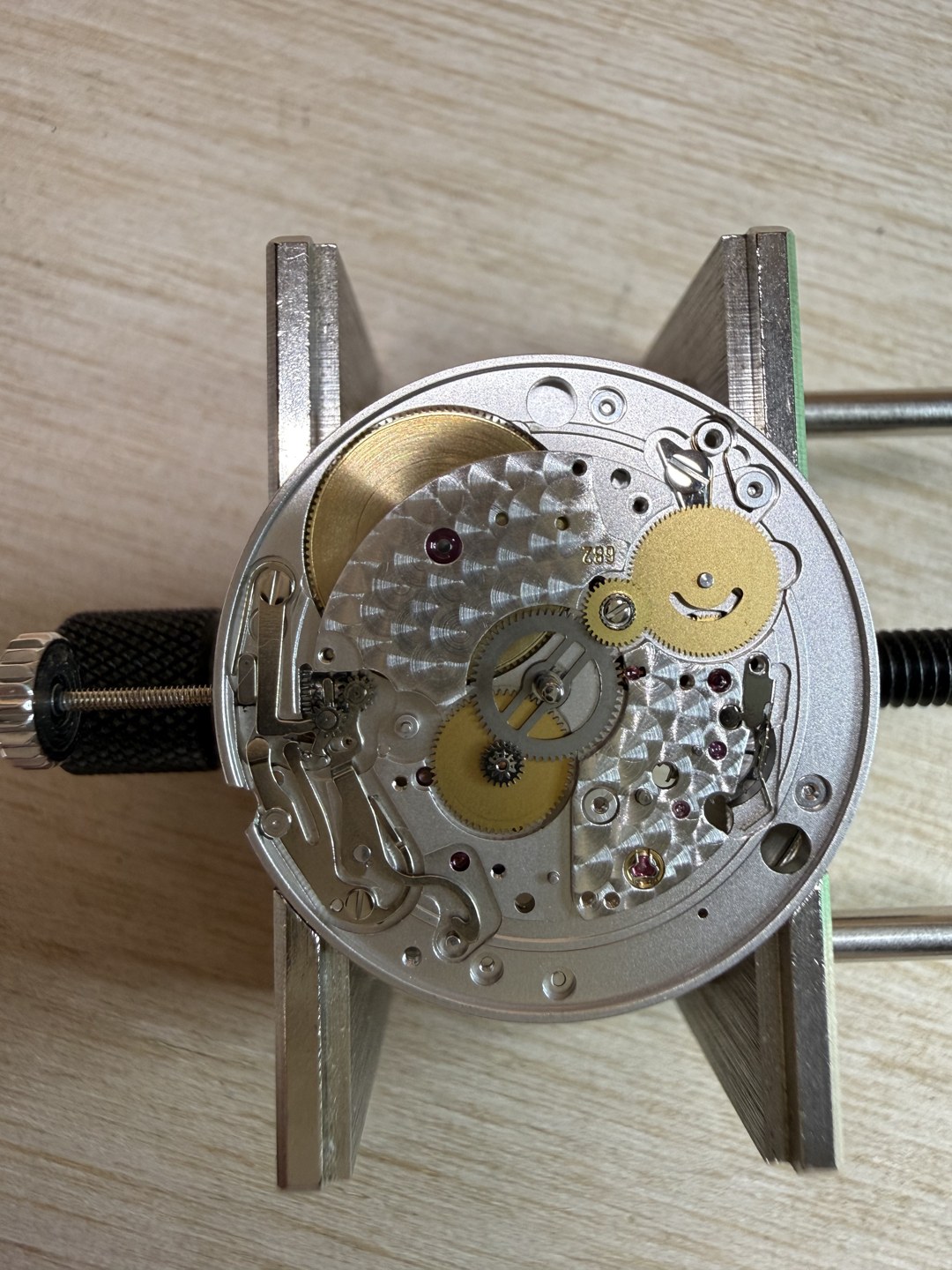
What type of watch do you have?
There are three main types of movement:

Manual wind (mechanical)
– wound by hand every day

Automatic
– winds itself through wrist movement

Quartz
– powered by a battery
Each type calls for its own way of using it.
Winding and setting
Manual-wind watches
Daily winding
Wind the watch once a day.
Turn the crown clockwise in its normal position
Stop as soon as you feel clear resistance — turning further can cause damage
Setting the time
Pull the crown out to the time-setting position
Never set the date between 21:00 and 03:00
During this period, the date mechanism is under tension
Automatic watches
Daily wear
Normal wrist movement keeps the watch wound
If you do not wear the watch every day, wind it by hand first
(approximately 20–30 turns of the crown)
Setting the time & date
Follow the same guidelines as for manual-wind watches
The same rule applies: do not set the date between 21:00 and 03:00
Quartz watches
How they work
Quartz watches run on a battery and do not need winding
Batteries last an average of 1.5 to 3 years, depending greatly on the watch and battery type
Setting
Carefully pull the crown out to the correct position
Quartz watches also require care around the date change
(21:00 – 03:00)
Crown and functions
Operating the crown correctly
General guideline
We recommend taking the watch off your wrist before winding or setting it.
This avoids unnecessary sideways strain on the winding stem and winding mechanism, helping to extend the movement’s life.
Crown positions
1. Pushed in: watch running / winding
2. First click: date setting (if present)
3. Second click: time setting
Screw-down crowns
First, gently unscrew the crown
After use, always screw it back down securely, without applying force
Using the chronograph
Operation
Top button: start / stop
Bottom button: reset (only when the chronograph has fully stopped)
Using the tachymeter (if present)
A tachymeter measures speed per hour, based on the time needed to cover a fixed distance.
How to use the tachymeter
1. Start the chronograph at the beginning of the distance
2. Stop after exactly 1 kilometre or 1 mile
3. The seconds hand indicates the speed (km/h or mph)
Other distances
You can measure over 100 metres or half a mile, but this requires recalculation.
The scale is directly correct only for 1 km or 1 mile.
Everyday care
Water resistance – an important misunderstanding
No watch is completely waterproof.
That is why the watch industry uses the term water resistance.
This means a watch can withstand water pressure up to a certain limit —
but all watches will eventually let moisture in if conditions are extreme enough.
Heat and temperature differences
Take extra care in warm weather:
Swimming, showering or entering a sauna with a warm watch is not recommended.
Large temperature differences cause:
metal, glass and plastic to expand and contract
gaskets to temporarily lose their sealing effectiveness
This can allow water to enter, even in watches that are normally water resistant.
Important
Condensation under the crystal is often a late sign
Damage may already have occurred
Advice
Avoid contact with water when there are large temperature differences
Always check that the crown is properly closed
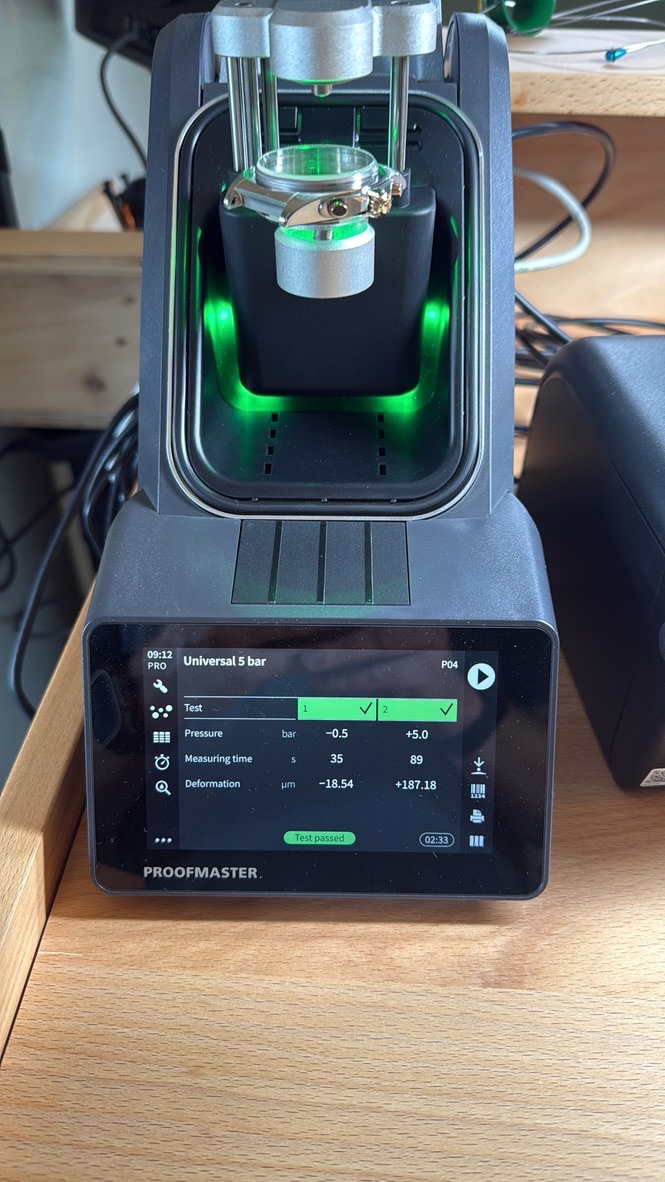
Have water resistance checked regularly if you use the watch intensively
Magnetism and your watch
A magnetised watch:
usually runs fast, because the hairspring coils stick together
can also run irregularly or too slowly
Magnetism is easy to resolve and rarely causes permanent damage when treated promptly.
General tips for use
Avoid knocks, drops and shocks
Keep mechanical watches away from strong magnets
Store your watch in a dry place with a stable temperature
Finally
Your watch is a precision instrument, but also a personal object with emotional value.
With the right care and attention, it can accompany you for a lifetime.
Do you have any questions or doubts?
We are happy to help — with care for your watch and for you.