
About me
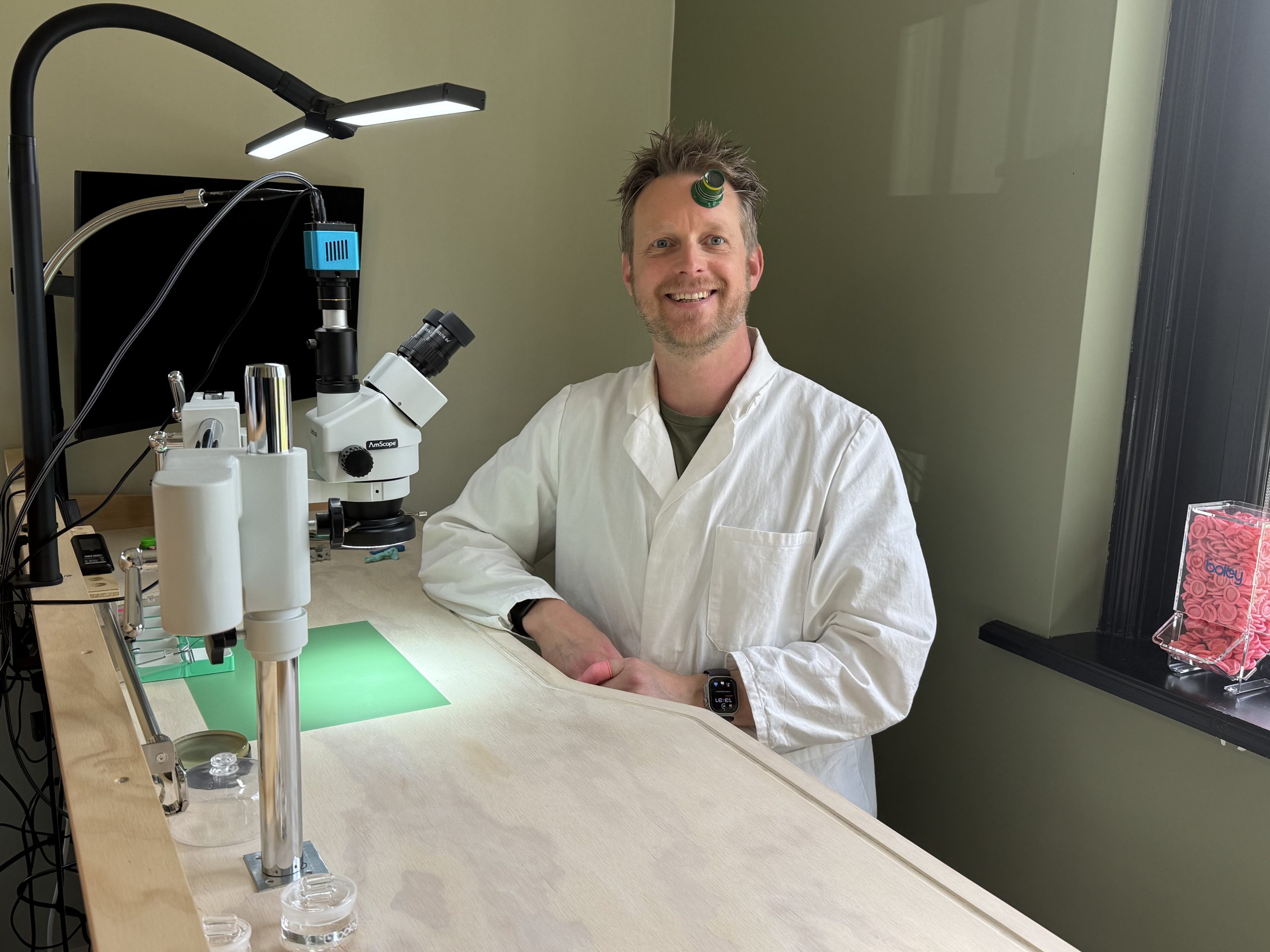
I maintain and repair mechanical and high-end quartz watches at my workshop in Westbroek. I continue to learn and develop my technique, work with different calibres and use specialist tools for the work each movement needs. After a maintenance service, I assess its operation through systematic quality checks.
From technology to the workbench
My path into watchmaking did not begin with the idea that I would one day become a watchmaker.
For years I worked in technology. I built teams, helped people grow and had a successful career. Over time, though, I realised that success and feeling in the right place do not necessarily mean the same thing.
Watches had meanwhile fascinated me for years. Not so much for what is visible on the outside, but for what happens beneath the dial: dozens of small components that together can create something exceptionally precise and reliable.
That fascination became increasingly practical. I began reading, practising, taking courses and maintaining increasingly complex movements. Eventually I decided to leave my technology career behind and focus fully on watchmaking.
That also meant deliberately becoming a beginner again.
And that is exactly what appeals to me.
A movement takes no notice of experience, persuasiveness or a job title. A component either fits or it does not. A bearing either has too much play or it does not. A movement runs well, or there is a reason why it does not.
The craft is honest. And there is always more to learn. As Vacheron Constantin’s motto says: Faire mieux si possible, ce qui est toujours possible. Do better if possible — and it is always possible.
Why watchmaking?
What attracts me to watchmaking is the combination of mechanics and craftsmanship.
A mechanical watch can function for decades using an almost unimaginably small amount of energy. Teeth, pivots, springs and bearings work within tolerances sometimes measured in hundredths of a millimetre.
But a watch is also more than a technical object.
For its owner it may be the first good watch they ever bought. A gift. A reminder of someone. An heirloom that has been in the family for generations.
That is why I try to do more than simply make a watch run again.
I want to understand why it was not functioning properly, what is needed to restore its operation and what is technically responsible for the movement in front of me.
Sometimes that means replacing components. Sometimes it means preserving them. Sometimes it also means advising against a particular course of action.
The aim is always the same: careful work that allows a watch to continue functioning as well as its technical condition permits, with respect for what was originally made.
The story behind Othrys
The name Othrys comes from Greek mythology.
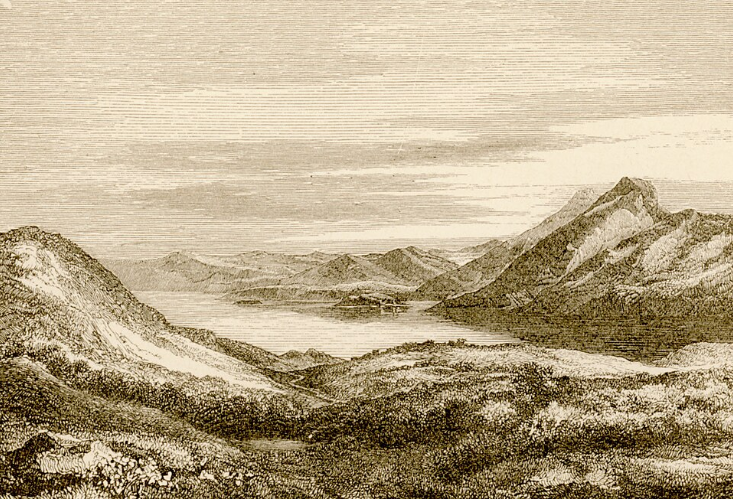
During the Titanomachy — the struggle between the older Titans and the younger Olympian gods — Mount Othrys was the Titans’ stronghold. Kronos, leader of the Titans and father of Zeus, belonged to that older generation of gods.
On the other side stood Olympus.
After their defeat, Zeus and the Olympians took power, and several defeated Titans were banished to Tartarus.
Othrys therefore does not literally stand for the god of time. Similarly, Kronos and Chronos must be distinguished: Kronos is the Titan from the familiar Greek succession myths; Chronos is the personification of time found mainly in other and later traditions.
That distinction actually makes the name more interesting to me.
Othrys refers to an older world. To generations succeeding one another. To knowledge, techniques and ideas that are passed on, changed and reinterpreted.
That has much in common with watchmaking.
A mechanical movement is technology from another age that can still be relevant. Designs from decades or even centuries ago still function today because generations of makers built, maintained, adapted and passed them on.
That is why the name Othrys fits.
Not because time once literally lived there according to mythology, but because the mountain belongs to an old story about generations, change and what is passed to those who come next.
Guided by tradition, driven by growth
I do not see watchmaking as a destination.
The more I learn, the clearer it becomes how much there is still to learn.
That is not a shortcoming of the craft. It is one of the reasons I chose it.
Growth happens at the edge of what you can already do. Sometimes something goes wrong there. Sometimes you have to start again. Sometimes you discover that something you thought you understood is more complicated than you realised.
I try not to shy away from that.
I want to keep improving my understanding of why a movement behaves as it does, refine my technique and learn from every repair that reaches my workbench.
For me, traditional craftsmanship therefore does not mean that everything must remain as it was. It means respecting the knowledge that came before us, treating it carefully and continuing to develop it.
Ultimately, a watch is a small mechanical system that measures time.
But it can last for decades, outlive several owners and carry memories far larger than the object itself.
My work is to help it continue doing that as well as possible.
Othrys - Je horloge verdient tijd